Inflammatory Breast Cancer (IBC)
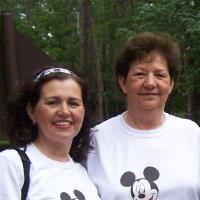
I have a good friend who lost her mom earlier this year to Inflammatory Breast Cancer. This post is dedicated to her and her mom.
This post is actually a guest post written by someone who has the disease. The post first appeared on NanaHood in October of last year.
I Am The Face of Metastatic Inflammatory Breast Cancer
In January 2008, I was diagnosed with Stage 4 Inflammatory Breast Cancer (IBC). To say that the diagnosis devastated my world doesn’t really describe everything a diagnosis like that does to a person – it’s incredibly scary and I thought I was going to die, I really did. However, with my faith in God and the incredible support of a terrific medical team, my family, my friends, and my church family, I’ve been hopeful through it too. It’s a difficult balance, and sometimes I find myself on the side of despair. However, through great medicine, belief in God, and lots of prayer (mine and others), I’m here, almost 4 years later, and still alive. It’s a tough diagnosis to live with, but I am hopeful and blessed in so many ways. I was asked by Teresa to do a guest blog, and I’d like to talk a bit about my experience with IBC and what IBC is.
My cancer went into remission in December 2008. However, in November 2010, I learned that I have a recurrence of the cancer. It’s been a hard road since then. The recurrence was found in my liver (where it had metastasized to the first time) and some lymph nodes in my chest. I went through two different chemotherapy regimens with them not only NOT working, but during those times, the cancer progressed. Both of those times, I was, understandably, devastated. This third regimen, chemo drugs called Tykerb and Xeloda (both in pill form) are finally working. My oncologist says that some women can be on this regimen for two-three years. One thing to know about metastatic, or Stage 4 breast cancer is that, barring a miracle or sudden death from something else, I’ll be on chemotherapy for the rest of my life. This cancer will eventually kill me. It’s a difficult truth, it’s a truth that makes many people uncomfortable, but it’s a truth that I live with every day. I’m so glad that I also live with an awesome God in my life who helps me get through the tough times and allows me to be a generally upbeat person In Real Life.
It’s important to my particular story that people understand the difference between the kind of breast cancer that I was diagnosed with, Inflammatory Breast Cancer (IBC), and the “typical” breast cancer that most women get, which is called Invasive Ductal Carcinoma (IDC). There are many reasons why this is important. Being someone with IBC can be a lonely journey so I want to reach out not only to cancer survivors generally but to IBC survivors particularly. Perhaps my story can help them feel less lonely.
It is also a different journey than one with IDC is: the treatment is sometimes different, the statistics are different, and the survival rate is different. The kinds of chemotherapy drugs are different than those of IDC. The change of recurrence (90%) is different. The rate of recurrence of IDC depends on many factors, but in general, according to the web site Life After Early Breast Cancer (http://www.lifeabc.org/) Approximately one-third of women with hormone dependent early breast cancer will experience a recurrence.
The Inflammatory Breast Cancer Research Foundation http://www.ibcresearch.org/ describes IBC as the following:
Inflammatory Breast Cancer, also known as IBC, an advanced and accelerated form of breast cancer [is] usually not detected by mammograms or ultrasounds. Inflammatory breast cancer requires immediate aggressive treatment with chemotherapy prior to surgery and is treated differently than more common types of breast cancer.
IBC, which makes up 1-5% of all cases of breast cancer, often doesn’t present with a lump. It also has other characteristics that are different from most breast cancer cases. Most breast cancer patients have a form of breast cancer called Invasive Ductal Carcinoma (IDC). IBC is also treated differently than IDC, with chemotherapy occurring before a mastectomy. It is considered to be the deadliest type of breast cancer. Reputable internet sites state that typically:
• The 5-year median survival rate is approximately 40%, mainly due to delays in diagnosis, a physician’s lack of expertise in treating IBC and its resistance to treatment with standard chemotherapy drugs.
Symptoms for IBC include:
• Swelling, usually sudden, sometimes a cup size in a few days
• Itching
• Pink, red, or dark colored area (called erythema) sometimes with texture similar to the skin of an orange (called peau d’orange)
• Ridges and thickened areas of the skin
• Nipple retraction
• Nipple discharge, may or may not be bloody
• Breast is warm to the touch
• Breast pain (from a constant ache to stabbing pains)
• Change in color and texture of the areola
I had some of the symptoms: nipple retraction, breast pain, and a different texture to my breast which they call “peau d’orange.” Unlike most other IBC patients, I did have a lump in my breast.
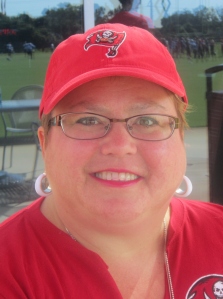 I am the face of metastatic Inflammatory Breast Cancer. As are other caring, vibrant, incredible, strong, loving women, women who make the world a better place. Women I’d like to be around for a very long time. Women like, and unlike me. Women I’m glad I met, but am sorry about the circumstances of our meeting.
We are the faces of metastatic IBC.
Please visit http://www.cancer.gov/cancertopics/factsheet/Sites-Types/IBC for more information.